FOREWORD |
|
Statistically, very few of the students I teach will pursue a career in Auto Mechanics. But I’d bet you that almost ALL of them will own a vehicle. What I want to teach you is HOW you can make that vehicle last a long, long time.
|
PURCHASING |
|
I’m an idiot when it comes to purchasing vehicles. I usually get it in my head that I am in love with a “certain” car, and then go on the hunt to buy one. That’s dumb. But how I go about that, makes sense. What I do is this: RESEARCH FORUMS (not InstaSnapGramFaceChatBook, but actual FORUMS. On forums you will find old people (like me). Old people who KNOW the vehicle, and can help point you down the path of success. Forums will show you typical problem areas, the best fixes, the best sources for parts, the best modifications, etc. etc.. AND forums are EASIER to SEARCH for information. CONSUMER REPORTS (CR) puts out a ‘Buying Guide” every year on everything they tested, but they also do a 5 year synopsis of current used cars. If you can find older copies in thrift stores, you can go far enough back in time to get an idea of the problem areas on the car you’re after. I have CR going back to the 1970’s, and in all the cars I have worked on, CR has been absolutely correct in their assessment of problem areas. A VERY good resource. These should prepare you with enough information to know what you are looking at, and what to be looking for. SHOP AROUND Look through your local Newspaper, Online Classifieds (Castanet, CraigsList, Kijiji, Auto Trader, Old Car Trader, Facebook Marketplace, etc. etc.). See what they tend to list for. You want to figure out the AVERAGE PRICE, but also look at the CONDITION, as well as the MILEAGE on the car. A high-mileage car should go for less. A rat-bagged car should go for less. Vehicles you SHOULD NOT BUY:
Once you have an idea of what you think you should expect to pay, go on the hunt. I actually have an assignment for kiddies on How To Buy a Car IF YOU DON’T KNOW WHAT TO BUY… I would still do some research to see if whatever vehicle you are looking at is a turd or not. Or horrible to work on. Or hard to get parts for. I recognize that sometimes you’re in a pinch and you need to buy a car NOW (been there), but having an idea of what you are getting into is a good thing. TRU STORY BRO 1: Years ago, my wife and I needed a new vehicle, and we hit up the local sleazy car dealership because our budget was low. We found a 12 year old Infiniti for a screaming deal. It presented well, looked to be in great shape, and had its entire maintenance history from the dealership along with the original window sticker in the glovebox. We bought it. Worried, I even went to the Infiniti dealer with it to ask if there was anything in its history that i should be saving money for. Nope – it looked clean! Two months later the transmission blew up, which cost as much to fix as had I paid for the car – the shop I took it to had to order a new valvebody, only available from Infiniti out of Japan, and get it programmed back at Infiniti. And then I learned how quickly it eats brakes. And that the VQ35 is notorious for burning oil. And this particular Infiniti was only produced a couple of years and was not a big seller, so it was impossible to find parts for it in any junkyard in Canada. And an especially painful lesson when I BRICKED the car changing the battery. I fixed it, and got rid of it. LESSON LEARNED: EXPENSIVE CARS HAVE EXPENSIVE PROBLEMS We bought a (matching) Hyundai Accent to replace it. There is a Hyundai Accent section at the local junk yard – yeah, it’s a turd, but it’s fun to drive, it’s cheap on gas, parts are everywhere, and it’s easy to work on. HAGGLING Once you’ve got the car of your dreams, you want to negotiate a price. I confess to doing less and less of this as I get older – you are either asking a realistic price, or you are not. At a DEALERSHIP (new or used), they are in this to make money. And they play games with your mind to…
To avoid being played, you need to: KNOW WHAT THE CAR IS WORTH KNOW HOW MUCH YOU ARE WILLING TO PAY BE WILLING TO WALK AWAY TRUE STORY BRO 2: In University, I needed a car. I hit up the back row of all the sleazy car lots in East Vancouver (that’s where the CHEAP cars are). I found a Honda Civic in the back of one, and the sales man came out to meet me, wearing a white cowboy hat, and white jeans. Nothing else. I looking the car over (it was rough), took it for a drive, and offered $600. “What? I paid $1800 for the car, can I at least get my money out of it? ” I offered $600. “Some guy had offered me $1000 just for the sunroof!” Cool. I offered $600. “Can we meet halfway, say $1200?” I offered $600. I got it for $600. Ultimately, I think it was $800 too much, but it was mine. TRUE STORY BRO 3: To replace that Civic, I was on the hunt for a Nissan Sentra. I found four-year old Sentra at a dealership in Burnaby. They were asking $8995 (fair price). I looked it over, took it for a test drive, and offered $6000. the guy was shocked I was offering so low – I listed everything I had found wrong with it, including accident damage (they didn’t know about). Salesman went off to “talk with the manager” and came back with $8000. I offered $6500. Salesman asked me to write a “deposit” cheque so he could take that to his manager to show that I was serious. NOTE: This is a game they play to get an emotional attachment from you; the instant you write a cheque, you “own” that car in your heart, and it’s much easier for them to control the deal – it’s a game they play. I said “if I wasn’t serious, I wouldn’t be here, and I ain’t writing a cheque for nothing until we agree on a price. $6500 – and if you change your mind, here’s my card.” I had gotten up from y chair, and as he left to talk to the manager I was pushing my chair in, and jingled my keys as I sauntered towards the door – this is a game I play to make them think they’re losing the sale. I got it for $6500. Happy hunting, and best of luck to you!
|
PROPER OPERATION |
|
This is a constant topic of conversation throughout Level 1. Do you play sports? Your car is kind of like an athlete. Your PE Teacher and/or your coach probably have you do stretches and “warm up” exercises and drills before you actually play or compete. The older I get, the more I have to do stretch and “warm up” just to move without pain. Your car is very similar. THE MOST DESTRUCTIVE WEAR ON YOUR CAR IS WHEN IT IS COLD. The trick is to be nice to the car as it warms up, get it to warm up quickly, and drive it at least 15 minutes. Let me explain why: BE NICE AS IT WARMS UP Everything operates optimally when it is “up to temperature.” And the parts have heated and expanded to fit the proper clearances, oil has gotten everywhere and it doing its thing, the fuel system running normal (not “extra” fuel for cold operation). Until the engine is “up to temperature” (temp gauge in the middle), keep the engine speeds low, no high RPM, no full throttle – drive like you’re early to a dentist appointment, and your mom is in the car. WARM UP QUICKLY The sooner we get up to operating temperature, the sooner the engine is operating “optimally.” Until the engine is up to temperature, the engine will not burn the fuel efficiently, AND it’s being fed EXTRA fuel the whole time it’s warming up. Extra fuel that WASHES oil off the cylinder and THINS the oil itself – this will ACCELERATE the wear of the engine! Driving aggressively pumps even MORE fuel into your engine as well, plus STRAINS the parts that are not yet fitting optimally. This may come as a shock to most people – I never “let my car warm up.” I start it up and drive. Right away. No idling. Not even in the dead of a Canadian winter. Start, and Drive. The engine will warm up the FASTEST driving. I’m just very nice to the engine until it’s warm. DRIVE AT LEAST 15 MINUTES When warm air cools off, moisture condenses out of it. You see this when the steam from your shower hits the cold walls of your bathroom. The moisture that condenses out of the hot air inside your engine will collect in the oil (this is normal – oil is designed to do this). The moisture in the oil doesn’t improve the oil though – it tends to turn into sludge. Sludge doesn’t lubricate well. You can often see evidence of this on the underside of the oil fill cap – a cappuccino-coloured goo. The trick to drive long enough, that the constant hot temperatures boil all the moisture out of the oil. Short trips do not do that. Short trips kill engines.
To be continued…
|
ENGINE MAINTENANCE |
|
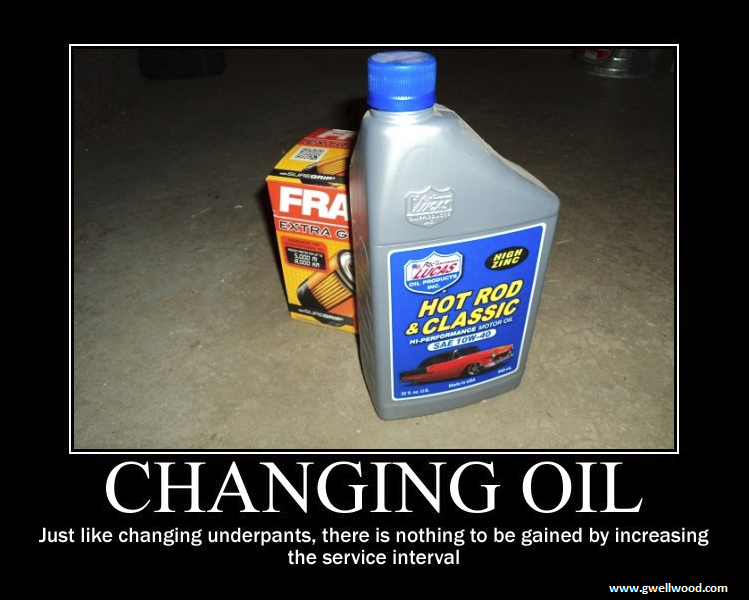
Most people neglect their cars. Nobody likes the “added expense” of maintaining something. HOWEVER…. “If YOU don’t schedule maintenance into your vehicle ownership, your vehicle will schedule it FOR you.” AND… The advantage of regular scheduled maintenance is catching POTERNTIAL issues BEFORE they become EXPENSIVE issues. Two things to note: “Expensive cars have expensive issues.” “Nobody buys a cheap car to take care of it” Figure out where you want to fall into those categories I have a few philosophies: ENGINE OIL I change my oil every 3000km’s whether it needs it or not, REGARDLESS of the manufacturer’s recommended service interval (how often they think it should be changed). Frequent oil changes clean all the crap out of your engine, and makes sure your engine has the very best lubricant at all times in an engine. Frequent oil changes is cheap insurance. Changing a ton of oil is always cheaper than an engine rebuild. I am told that the “base” oil does not die, it’s the additive package that dies. Changing the oil frequently makes sure you constantly have good additives. Motor Oils contain:
These additives die over time. NOTE: IF YOU ARE A “GOTTA HAVE A CATCH CAN” DRIFT-BOY WANNABE……and you’ve deleted the factory crankcase breathing system (PCV System) to just vent it all to atmosphere – you are DESTROYING your engine from the inside. Deleting the PCV system can kill your motor oil within 1000km’s!Making sure the crankcase breathing system is operating properly can easily quadruple the oil’s life, AND keep your engine clean and happy on the inside. AND – the factory system “shuts off” the PCV system at full throttle, so IT DOESN’T EVEN HURT POWER TO KEEP IT!
OIL QUALITY
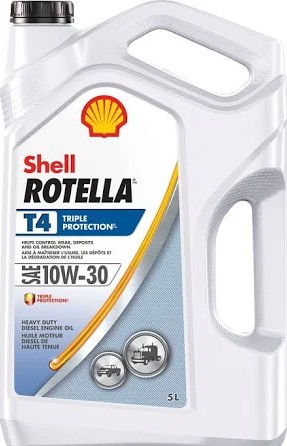
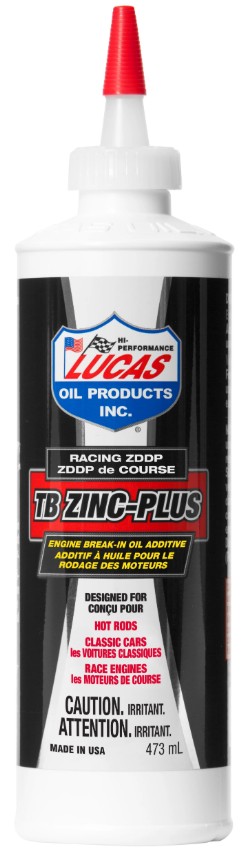
For a short time, I used a “high quality, high-zinc, brand-name” motor oil on a high-compression, big cam, flat-tappet engine in one my vehicles. I noticed the engine ran and sounded different within 2000km. I sent a sample of the oil to Blackstone Labs, who confirmed that the oil had deteriorated. I switched to a Diesel motor oil (see below). I always use Diesel Motor Oil, usually 10W30 regardless of what the manufacturer calls for. Why Diesel Motor Oil? Diesels are inherently dirty, so Diesel motor oil is very high in detergents to clean and flush out all the debris that ends up in the motor oil. This is a good thing for all engines! Diesels also have a fair amount of intensity going on inside, and Diesel oil is made to handle that abuse (turbo, high compression, full throttle all the time…). Why not take advantage of that? I started using Diesel motor oil in the 1990’s, and have done so on ALL my cars since. It’s good. SYNTHETIC OILS Synthetic oils tend to last longer than dinosaur oils. There have been some studies where people change only the filter, and top-up the oil as needed, but keep running the same synthetic oil for 100,000 miles. I’m not one of those people. Traditionally, Synthetic oils have been slipperier, which is good for reducing friction, increasing mileage, and freeing up horsepower. There have also been issues with this slippery oil slipping past seals and rings and leaking or being burner far faster than conventional oils. I would happily use Synthetic oil in a low-mileage engine, but would be hesitant in an older high-mile motor (though I would test and see if it’s happy with the oil). Some say that this is truly no longer an issue, but I’m still a little “gun-shy.” It is usually good practice to “break-in” a new engine on Dino oil, then switch to synthetic once it’s broken in. BREAK-IN OILS
No. They have added zinc to help the engine not wear out during the first start! This zinc tends to pollute catalytic converters, so it has been reduced in modern oils (and modern engine designs don’t need the zinc). On high-performance flat-tappet cams, I continue to run a break-in additive with EVERY oil change to make sure the cam lasts. My last engine I did so for NINE YEARS of daily driven goodness. Break-in oil does NOT accelerate wear. COOLING SYSTEM
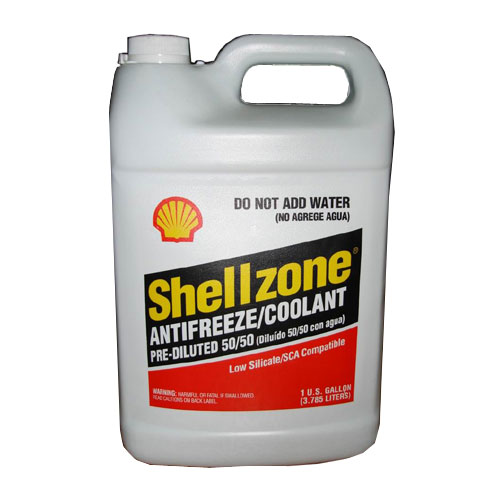
Coolant can become acidic over time, and your engine is made from different metals. Different metals in an acid creates a battery, and batteries consume the softest material – the aluminum will slowly be dissolved through galvanic corrosion. Antifreeze has corrosion inhibitors in it, so keeping good antifreeze will prevent this from happening – even if you live in the desert where it will not freeze, run antifreeze for this reason Belts and Hoses should be changed every 4 years. Nobody ever does, and you see them stranded at the top of the Second Narrows Bridge with coolant peeing all over the place. If you don’t schedule maintenance for this, the car will schedule it for you. Thermostats maintain your engine temperature. I change them when they fail. Typically, they fail in the “open” position (engine never heats up), which is better than failing “closed” (engine overheats right quick) Fans operate when the engine temperature gets a bit too warm, and when the A/C is on. Keep an ear out for them, make sure you hear them or see them operating. If the fans do not turn on, you ARE going to overheat your engine, and that will be significant engine repair (head gasket!). IGNITION SYSTEM
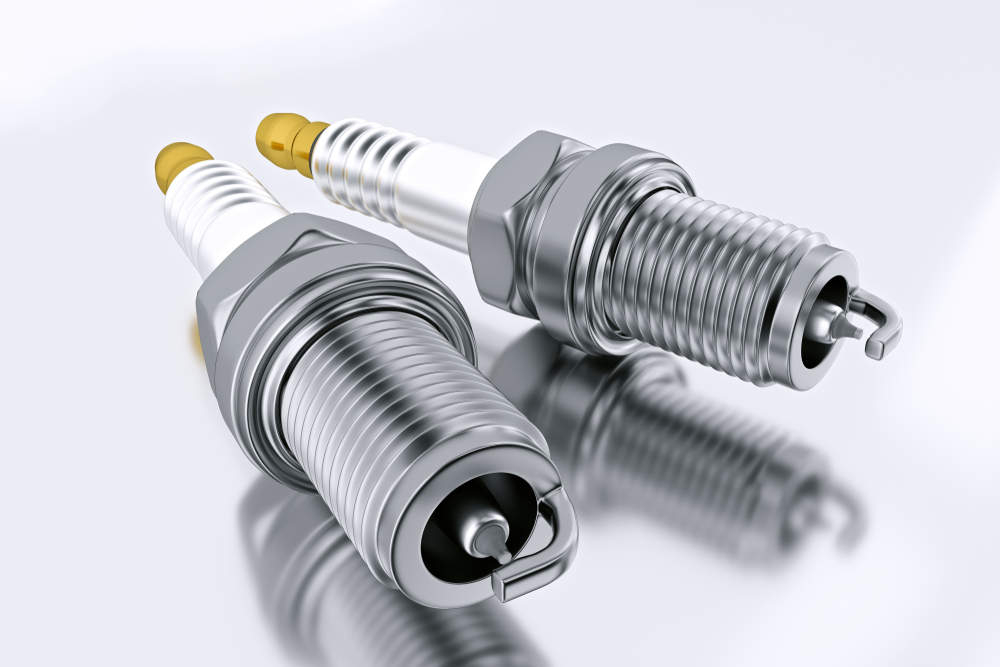
Today, nothing is adjustable – the only things that wear now are plugs and filters. Whatever spark plug you run, very likely will make zero difference in how the vehicle operates, so pick the plugs that make you happy. V-groove, multiple electrodes, fancy coatings, none of that makes a difference in power. I know guys who swear by Champion, and guys who swear at Champion. Some love Bosch. I like NGK. Does it matter? Gap the plugs according to the manufacturer, put a bit of anti-seize on the threads, thread fully by hand before you even THINK of putting a wrench on them, and tighten snug. Copper-core plugs I change once a year. Platinum and Iridium can last at least 5 years (though I have run them over 10 years…). If I cannot easily GET to the plugs, I like these so I don’t have to go in there so often. FILTERS
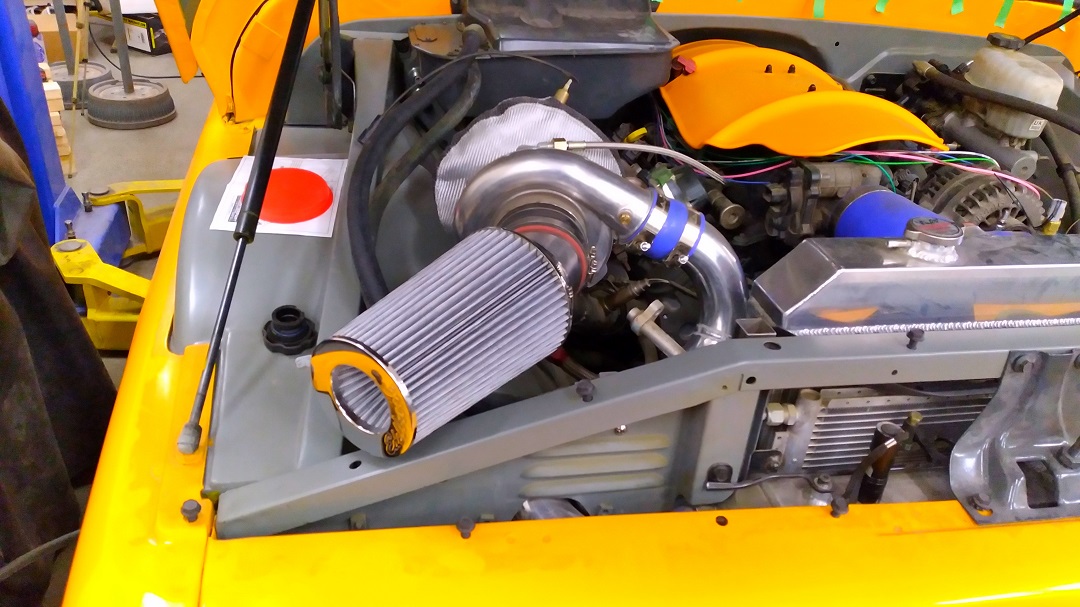
Generally, a “performance” filter will filter less. I’m on the fence on K&N filters. I run them, I don’t run them, I hate them, I love them, I use them, I’m scared of them; I’m undecided.
Want your fuel pump to LAST? STOP running on the bottom of your gas tank. The pump is COOLED by the fuel around it, and the fuel going through it – if you always run on the bottom of your gas tank, you’re going to overheat and burn out your fuel pump. Never go below 1/4 tank. COOL VIDEOS Do Thin Oils Destroy Engines? Lessons From GM’s Massive Recall . . . . |
TRANSMISSION |
|
MANUAL TRANSMISSION OIL usually calls for GL4 Gear oil, OR GL5 Gear oil, OR Engine oil, OR Automatic Transmission Oil. Do not mix them up. If you can drive stick at all, I am impressed! And your cars will never get stolen. AUTOMATIC TRANSMISSION OIL is its own thing, and different manufacturers might have their own elixir of goodness. Traditionally it was Ford “Type-F” for Fords (works via friction), and DEXRON for everybody else (works via pressure). Nowadays, everybody has their own magic mix. There are some “universal” ATFs, but I have no experience in the gamble with those. If you pull a trailer, ALWAYS run an external transmission cooler for an automatic transmission. Heat KILLS automatic transmissions, and pulling a lot of weight (or managing a LOT of horsepower) creates heat. An external oil cooler is a lot less expensive than a transmission rebuild. DIFFERENTIAL OIL (not Transaxles) usually calls for a GL5 gear oil. Transaxles will use a GL4 Gear oil, because there are Synchros in there. If you have a Limited Slip Differential, it will usually require a friction additive. IT WILL NOT HURT to run an additive if you do not have an LSD, but it will RUIN the LSD if you don’t run some. Having said that, a helical-type limited slip (“Torsen,” my favourite) does NOT want a friction additive, as it needs friction to work. I would stick to changing both of these fluids as per the manufacturer. . |
BRAKES |
|
Here in Canada you have a wonderful opportunity to inspect your brakes every spring and fall when you are changing your winter tires. All you need to do is look at something, and wiggle something. A Brake Inspection. Whether you have discs or drums, you want to look at the friction material thickness. My general rule of thumb is that the friction material is no thinner than the backing plate it’s attached to. When the friction material is the same thickness as its backing plate, I look at replacing them. Yes, you can go thinner, but I find the performance does start to go off at that point. The other thing to look at is whether the disc brake caliper is still floating, and if the drum brake wheel cylinder is not seized. Grab the disc brake caliper with your hand and see if it “wiggles,” smack one drum brake shoe into the wheel cylinder, and see if the force transfers through the cylinder to move the other brake shoe. A quick visual inspection of any wet, black, fibrous mess all over the brakes – this indicates a leak, and should fixed ASAP. That’s about it for quick inspection.
|
BODYWORK |
|
The whole environment is at work to destroy your car’s paint. The sun especially, but also dust, wind, rain, bird poo, air pollution, road debris, people, you, everything. Washing your car regularly keeps corrosion down. Pay particular attention to the underside of the fenders and wheel arches; anything that can collect dirt and/or road salt. There are “car washing” soaps that you can use to wash your car; it’s gentle. I have heard that dish soap can strip the waxes off – that could be desirable, or undesirable. David Freiburger does what he calls the “Comet Wash” on his rusty/patina’d beaters. Basically scrub it down using Comet . This will basically scrub off anything that is not reasonably well attached. I’ve done it – it works. It’s not nice to paint. I hear Ajax actually works better (more aggressive). Waxing your car protects the paint and makes the paint last longer. Nothing lasts forever (except the cold November rain). Only if the paint is really good do I fully go to town on it. In which case:
This will make your car look stunning for, like, three whole days. And it took all day to get there. I haven’t done this on my cars for years now; it’s too hard on my body.
|
TIRES |
|
If you play sports, you likely buy good shoes, or good ski boots, or good skates, because your footwear plays a significant role in your performance. On a car or truck, 100% of your “Staying On The Road” is your tires. The only thing sticking you to Earth, is your tires. You want to improve acceleration? Improve cornering? Improve braking? It’s the tires. Three things you want to be aware of with tires:
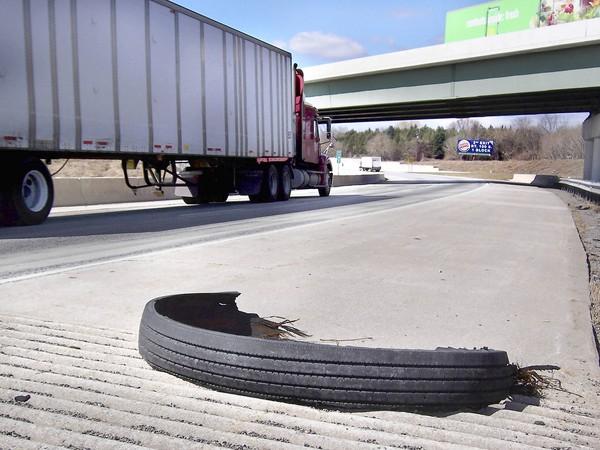
Ever see those tread sections on the side of the road? Big rigs get their tires “re-treaded” or “re-capped” where they glue new tread onto a bald tire. This happens again and again and again until the carcass says “ENOUGH!” and explodes, leaving the tread sections on the side of the road.
|
LET’S TALK DRIVING |
|
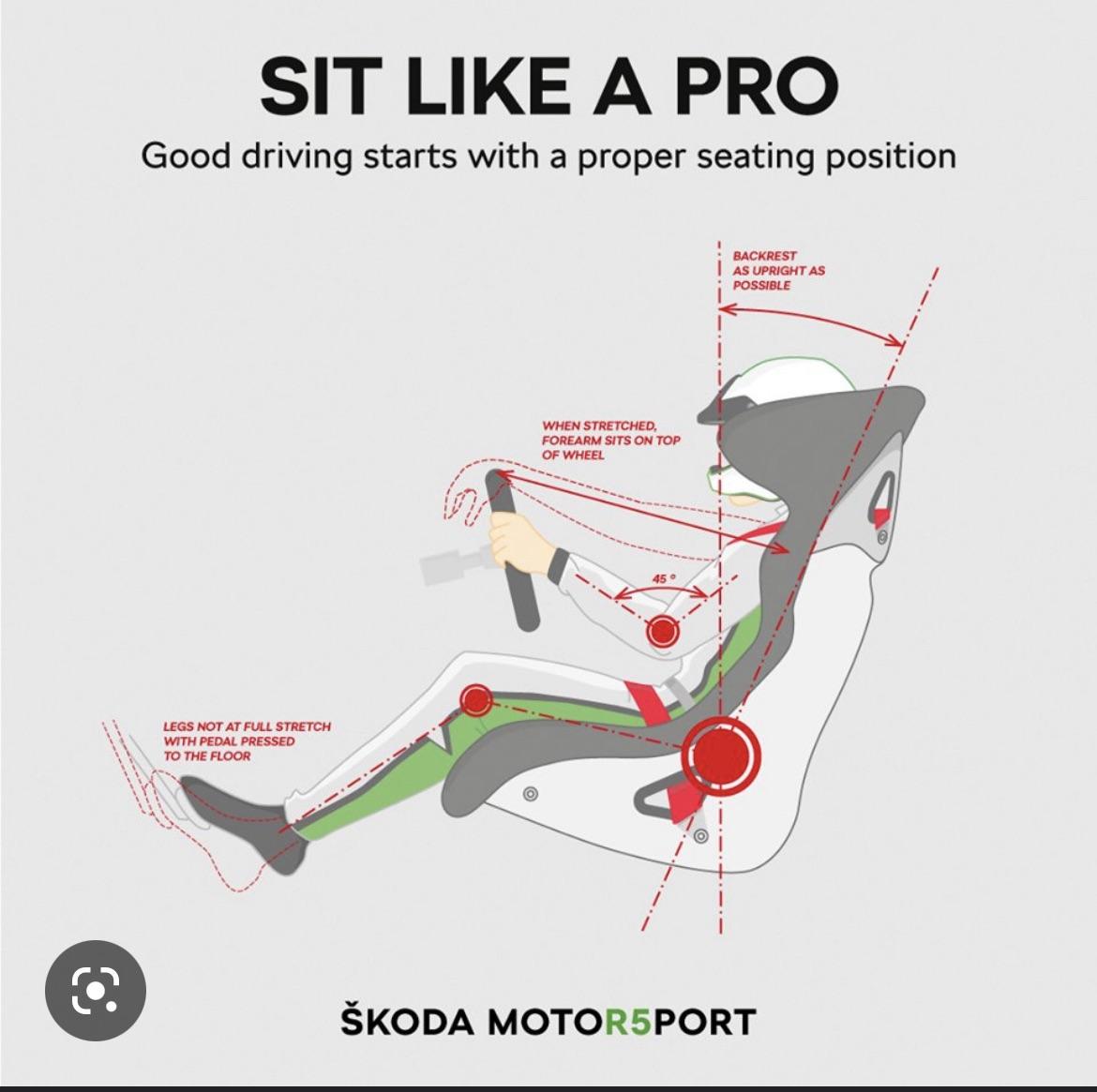
Not exactly maintenance, but things you should do. SEATING POSITIONIn your Driver Training, you should have been taught how to properly sit in your car. You should sit as upright as you can, and close enough to the wheel that with your arm extended to the top of the steering wheel, your wrist contacts the rim of the steering wheel (that is, your hand is past the wheel itself, closer to the windshield).
This allows you to use shoulder strength to steer instead of merely your arms – it is actually more comfortable and easier to drive! You should also be able to fully depress any pedals (gas, clutch) without having to use your tippy-toes. This can be difficult to achieve depending on your proportions. My height is in my torso, not my legs, so to be the right distance from the wheel is kind of at the limit for the pedals. I have physically modified seats and pedals to make for a better seating position for me! Yeah, I know some of y’all want to sit way back with the “Gansta Lean” and go all “Thug Life,” probably wearing a hoodie so you have no peripheral vision – you are a fool. Sorry. As a driver – you are.
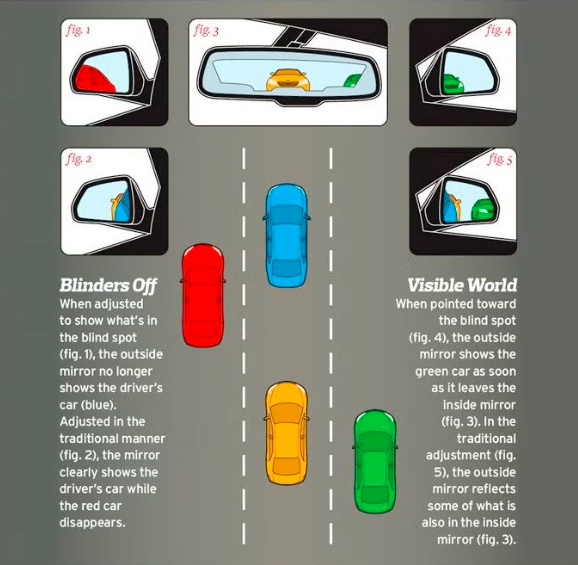
MIRRORS AND VISIBILITYThe rearview mirror is pretty easy to figure out. The side view mirrors should NOT show any part of your car – we don’t care where YOUR car is, we care where other cars ARE. The side mirrors should be adjusted so far out, that you have to move your head to the door glass or center of the vehicle to see what’s behind you. In this position, when the car behind you disappears from the REARVIEW mirror, it is now perfectly visible in the SIDE VIEW mirrors. When it disappears from the SIDE VIEW mirrors, it is not BESIDE you, and can be seen with a SHOULDER CHECK. I’m serious. You will be a FAR BETTER driver if you set your mirrors like this (top images, shown below).
For PARKING, I recommend adding small CONVEX mirrors in the outer corners of your side view mirrors. These will show you where your back wheels are with respect to curbs, but you don’t really use them for driving – but they certainly remove ALL your blindspots. Speaking of which…. BLINDSPOTSPeople do not pay attention. Other drivers do not see you, will not see you, and are actively trying to kill you (and then blame you for it). Drive such that you are NOT in another driver’s blindspot. The worst place you can be is behind the driver’s side windows, but still beside their car. they will not see you, especially if they haven’t adjusted their mirrors as above, and especially if their “shoulder-check” is more air-quotes than reality. NEVER sit there in traffic. Pull up, or fall back, but DO NOT stay there. Have you had people try to get in your lane while you were still there? It’s coming. |